
-

Pepperl+Fuchs
295670-100004
Diffuse Mode Sensor, Returns of This Item Must Be Approved by Manufacturer
$154.56$154.56 -
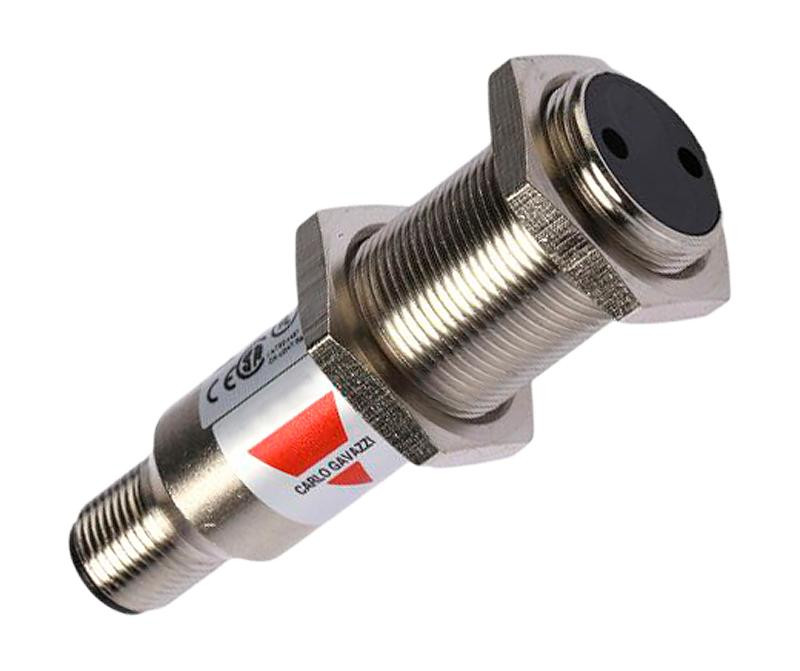
Carlo Gavazzi
EO1804PPAS-1
Photoelectric Diffuse Reflective Sensor, M18, 10-40VDC, 400mm Range, PNP, 4-Wire Complementary, NO/NC, M12 Plug, Modulated, Infrared Light 880nm, LED Indication, IP67
$144.85$144.85 -
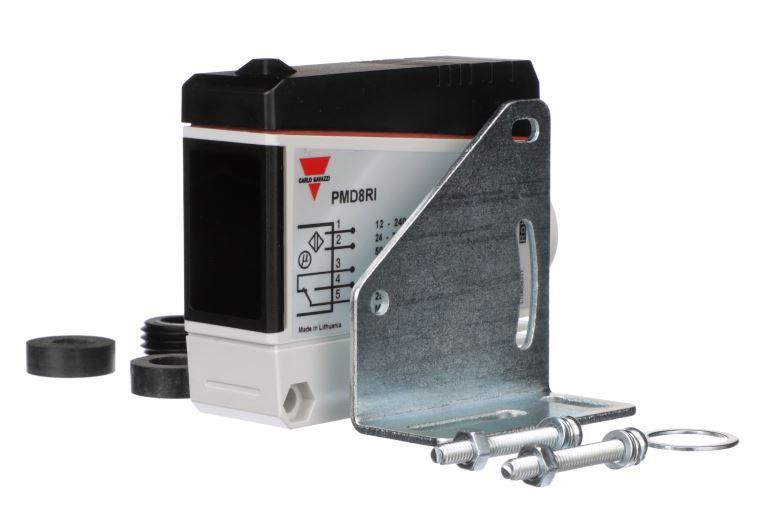
Carlo Gavazzi
PMD8RI
Photoelectric Diffuse Reflective Sensor, 12-240VDC and 24-240VAC, 50-60Hz, 800mm Range, SPDT NO/NC, 2m Grey PVC Cable, Adjustable Sensitivity, Modulated, Infrared Light 880nm, IP67
$229.23$229.23 -

Pepperl+Fuchs
267075-100432
Diffuse Mode Sensor, Returns of This Item Must Be Approved by Manufacturer
$108.64$108.64 -

Carlo Gavazzi
PC50CNT20RP
Photoelectric Thru-Beam Sensor, Receiver, Square, 12-240VDC and 24-240VAC, 50-60Hz, 20m Range, SPDT NO/NC, 2m Grey PVC Cable, Adjustable Sensitivity, Modulated, Infrared Light 880nm, IP67, 17W x 50H x 50Dmm
$205.24$205.24 -
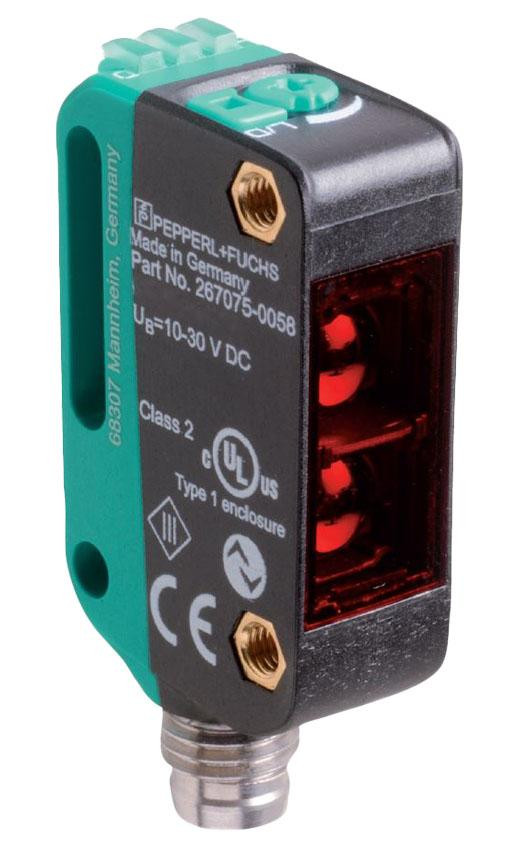
Pepperl+Fuchs
267075-100225
Photoelectric Laser Diffuse Mode Triangulation Sensor with Adjustable Background Suppression, Returns of This Item Must Be Approved by Manufacturer
$230.72$230.72 -

Pepperl+Fuchs
267075-100124
Photoelectric Thru-Beam Sensor (Emitter), Returns of This Item Must Be Approved by Manufacturer
$142.24$142.24 -
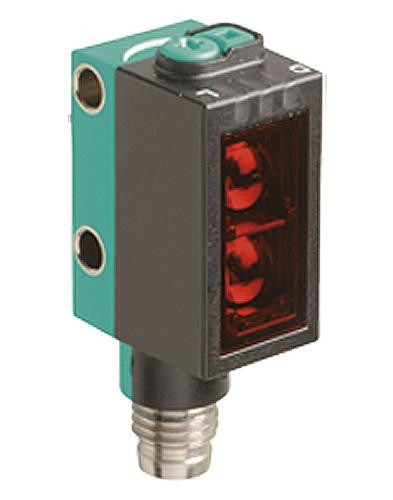
Pepperl+Fuchs
267075-0128
Diffuse Mode Sensor, Returns of This Item Must Be Approved by Manufacturer
$108.64$108.64 -

Carlo Gavazzi
PC50CNT20R
Photoelectric Thru-Beam Sensor, Emitter, Square, 12-240VDC and 24-240VAC, 50-60Hz, 20m Range, SPDT NO/NC, 2m Grey PVC Cable, Adjustable Sensitivity, Modulated, Infrared Light 880nm, IP67, 17W x 50H x 50Dmm
$140.47$140.47 -

Pepperl+Fuchs
267075-100227
Photoelectric Laser Diffuse Mode Triangulation Sensor with Adjustable Background Suppression, Returns of This Item Must Be Approved by Manufacturer
$237.44$237.44 -

Pepperl+Fuchs
267075-100117
Photoelectric Thru-Beam Sensor (Receiver), Returns of This Item Must Be Approved by Manufacturer
$100.80$100.80 -
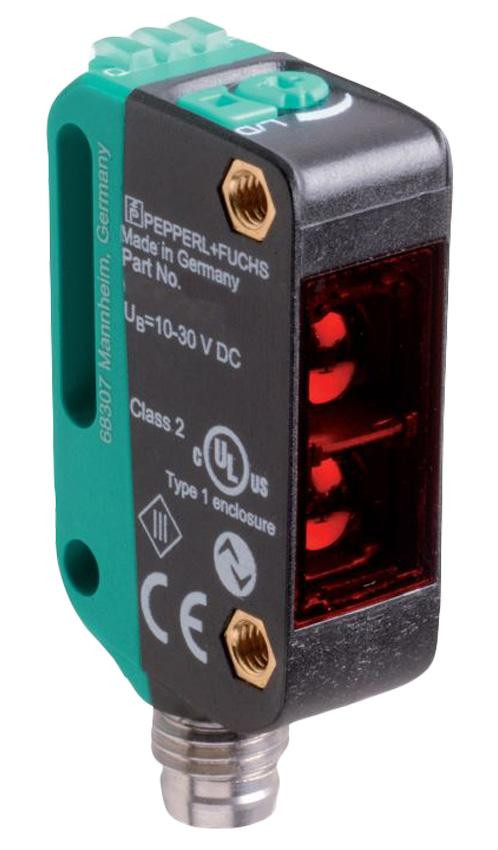
Pepperl+Fuchs
267075-100042
Diffuse Mode Sensor, Returns of This Item Must Be Approved by Manufacturer
$108.64$108.64
Photoelectric sensors detect the distance, absence or presence of an object. These sensors are great for sensing long distances and detecting most materials.
Additional Sensor Categories:
Proximity | Ultrasonic | Pressure | Temperature | Level | Tilt
How Does a Photoelectric Sensor Work?
Generally a photoelectric sensor consists of the following:
- Transmitter - emits the light beam
- Receiver - detects the light beam and converts it to an electrical signal
Photoelectric sensors detect changes in the light beam caused by the presence/absence, movement or properties of an object.
Types of Photoelectric Sensors:
- Through-Beam (Thru-Beam)
- Transmitter and receiver are two separate units that are directly opposite of each other. The sensor detects when an objects breaks the light beam
- Great for long distance detection
- Ideal for conveyors, counting or monitoring door openings
- Retroreflective (Reflective Mode)
- Transmitter and receiver are in one housing; light beam is reflected back by a reflector. Detection is triggered when an object breaks the beam.
- Medium range detection and easier to install than a through beam
- Ideal for package detection and pallet positioning
- Diffuse (Proximity Mode)
- The transmitter and receiver in one housing; the sensor detects light reflected directly off the target object (no reflector needed)
- Best for short range applications
- Ideal for detecting objects on assembly lines, verifying presence or checking fill level
- Specialized Types:
- Background Suppression: Can ignore objects beyond a set distance, focuses close range
- Color or Contrast Sensors: Detects specific colors or contrast differences
- Distance Measuring Sensors: Mesaure the distance to an object
Categories Related to Photoelectric Sensors:
- Stack lights - signal towers visually communicate the data or alerts that the photoelectric sensors are generating
- Smart relays - photoelectric sensors provide input signals which can process the data and control outputs
- Pushbuttons and estops - if your sensor detects a fault, an operator can use a pushbutton to reset the system
- HMIs - HMIs can dispay the data from the photoelectric sensor which allows you to monitor processes