Did You Know About These Sweet Halloween Candy Facts?
Posted by Theresa Hoffman on Oct 27th 2025
As much as we all love summer, the bright side of it coming to an end is that it brings us straight into spooky season. As Halloween decorations slowly start to show up on the shelves of big box stores at the end of August, it's a reminder that in just a few months you'll see all the creative costumes of trick-or-treaters filling the neighborhoods.
But where did this tradition come from? It actually dates back to the Middle Ages when Christianity spread into Celtic lands. Poor people would visit the houses of wealthy families and receive pastries called soul cakes in exchange for praying for their deceased relatives' souls.
It wasn't until Scotland and Ireland took part in a tradition called guising that the "trick" part came into the equation. Rather than pledging to pray for the dead, participants would sing a song, recite a poem, tell a joke, or perform another sort of "trick" before collecting their treat.
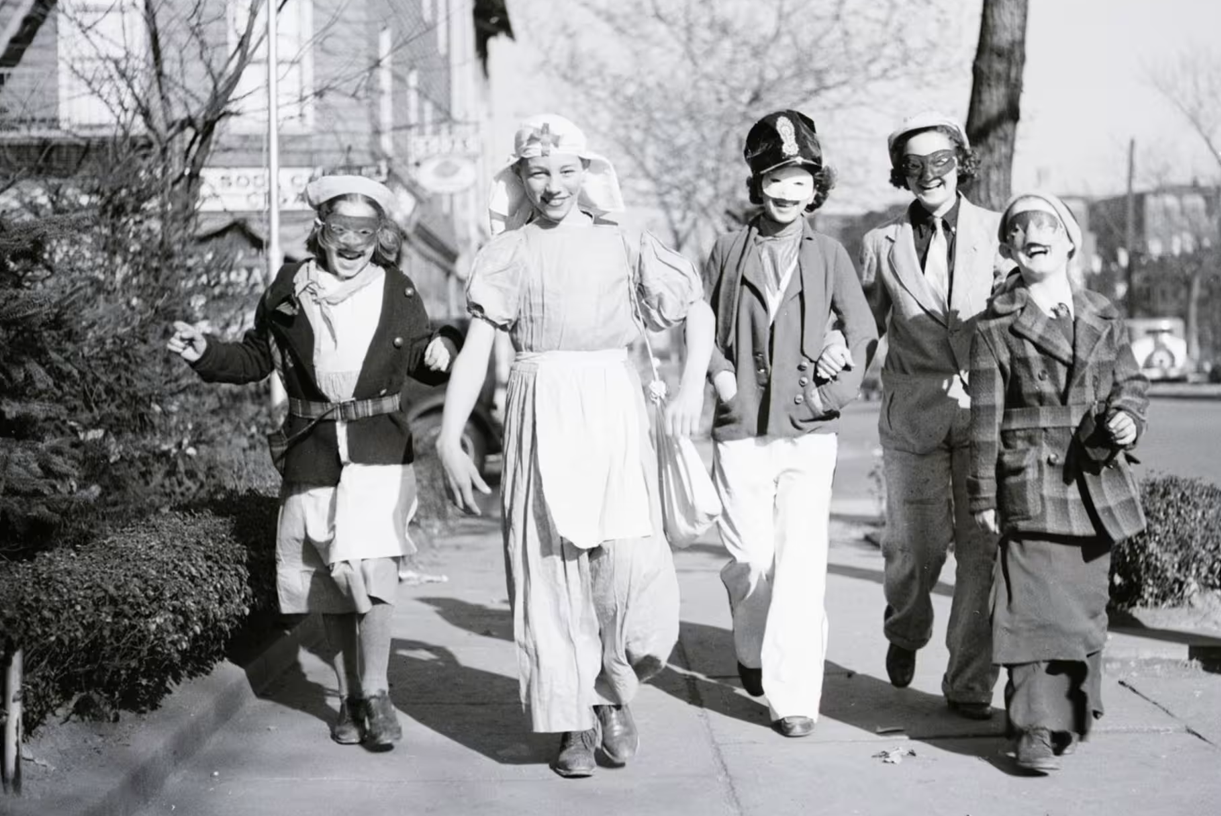
Bettmann Archive/Getty Images
The practice evolved from souling and guising into "trick-or-treating" when it became popular in the United States in the early-to-mid 20th century. Today, Americans spend an estimated $3.5 billion on Halloween candy alone, and the holiday has become the nation's second-largest commercial celebration after Christmas.
Let’s get into some fun facts about those Halloween treats!
- Candy Corn: The Most Divisive Treat in History
Invented in 1880 by George Renninger of the Wunderle Candy Company, candy corn was originally called "Chicken Feed" and marketed as a treat for farmers. Today, it's a Halloween staple, with over 35 million pounds produced annually—enough to wrap around the Earth more than four times if laid end-to-end.

Fun twist: A whopping 75% of Americans either love it or hate it, making it the ultimate love-it-or-leave-it candy. Pro tip: Warm it slightly, and it becomes chewy perfection.
- Chocolate Bars Got Spooky in the 1920s
Hershey's Kisses, introduced in 1907, exploded in popularity during the Great Depression when they became affordable Halloween handouts. But the real game-changer? In 1920, the Hershey's Chocolate Company started wrapping their bars in festive orange and black foil specifically for Halloween.

Fast-forward to today: Americans buy 600 million pounds of chocolate for the holiday, with Snickers taking the crown as the #1 trick-or-treat candy (closely followed by Reese's Peanut Butter Cups).
- The World's Largest Candy Haul
In 2023, the average American child raked in about 4.5 pounds of candy per trick-or-treating outing—that's roughly 1,400 pieces! But the record goes to an 11-year-old from Colorado who collected over 14,000 pieces in one night in 2019.
If you're handing out treats, stock up: 90 million pounds of chocolate candy alone are sold each Halloween, and popular mini bars like Milky Way and 3 Musketeers fly off shelves first.
- Not All Treats Are Sweet—Apples Were Once King
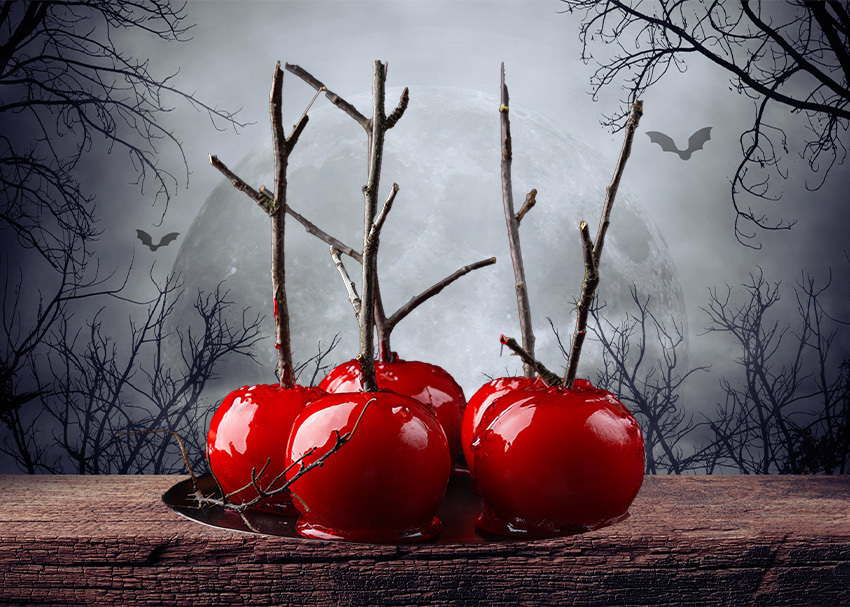
Before candy dominated, caramel apples held the #1 spot. The tradition started in 1910s New Jersey when a street vendor dipped apples in melted caramel using sticks from a neighboring candy shop. By the 1950s, they were a Halloween must-have.
- Healthy(ish) Hacks for Candy Lovers
Worried about the sugar rush? About 20% of Halloween candy is now "fun-sized" or low-sugar options like gummy bears and licorice. Dark chocolate varieties pack antioxidants, and one study found that kids who eat candy in moderation have no higher cavity risk than non-candy eaters. Just remember: The average haul has 24 teaspoons of sugar—save some for the ghouls!