
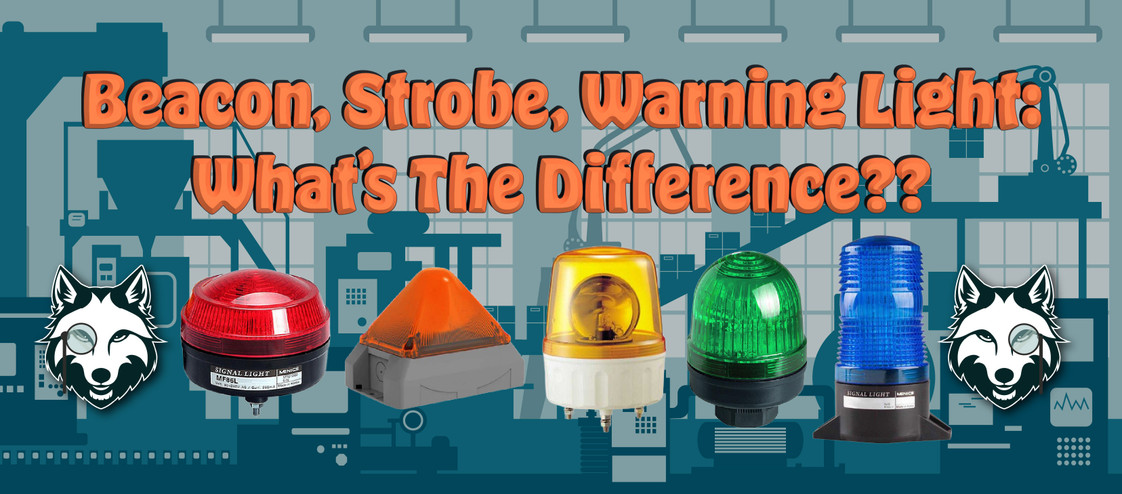
Beacon, Strobe, Warning Light: What's The Difference?
Posted by Theresa Hoffman on Aug 25th 2025
In industrial automation, safety, and visual signaling applications, the terms ‘beacon’, ‘strobe’, and ‘warning light’ are often used interchangeably. However, each serves distinct purposes and operates differently. Manufacturers like Patlite, Werma, and Menics understand these differences and offer the right visual signaling solution for your application.
Warning Lights: The Basics
Warning lights serve as the umbrella category for all visual signaling devices designed to alert, warn, or provide status information. Within this category, beacons and strobes represent specific types of warning lights, each with unique characteristics for different applications.
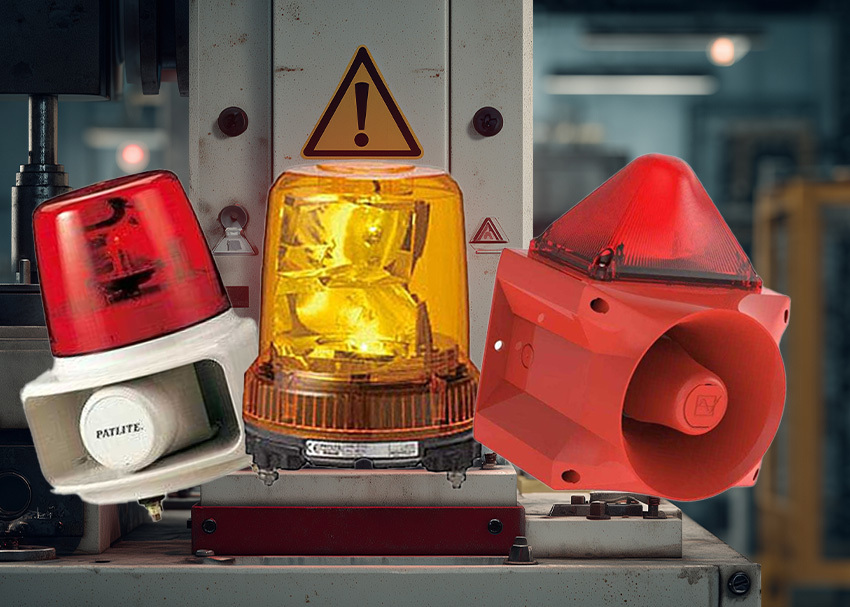
Beacons: Traditional Rotating Visual Signals
Beacons are visual warning devices that traditionally produce light through a rotating mechanism.
A beacon is a (relatively) low-intensity rotating light, though modern versions may also flash instead of rotate. Industrial beacon lights are usually five times lighter than the ambient light. They often offer lower intensity output compared to strobes and have continuous operation capability.
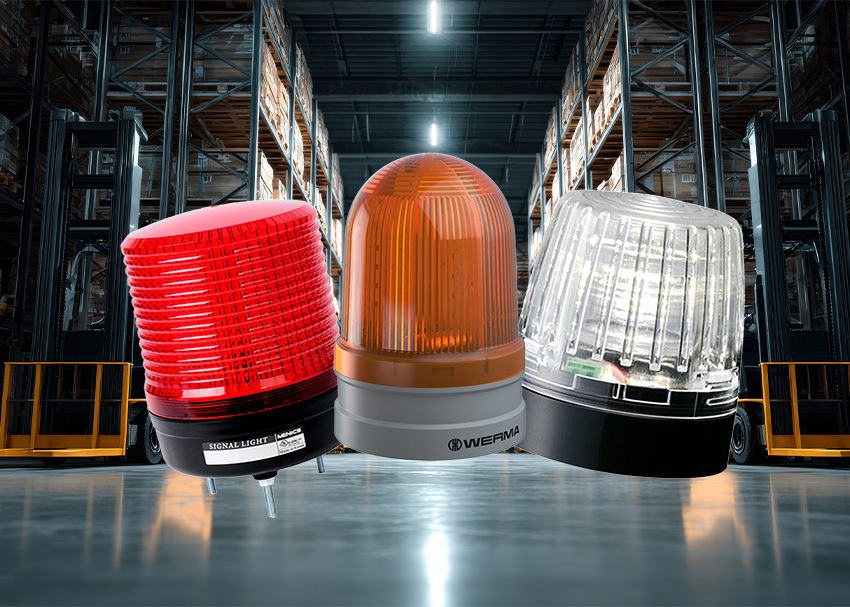
Common Applications:
- Manufacturing status indication - showing machine operational states
- General area warnings - indicating caution zones
- Process monitoring - signaling different production phases
- Emergency egress lighting - guiding evacuation routes
- Vehicle warning systems - construction and service vehicles
Strobes: High-Intensity Flashing Signals
A strobe is a high-intensity flashing light designed to grab immediate attention.
Strobe beacons are similar to rotating beacons, but are more energy efficient, and with no moving parts, are more reliable and less likely to break. Their repaid flashing pattern (typically 60-120 flashes per minute) offer high-intensity light output for maximum visibility
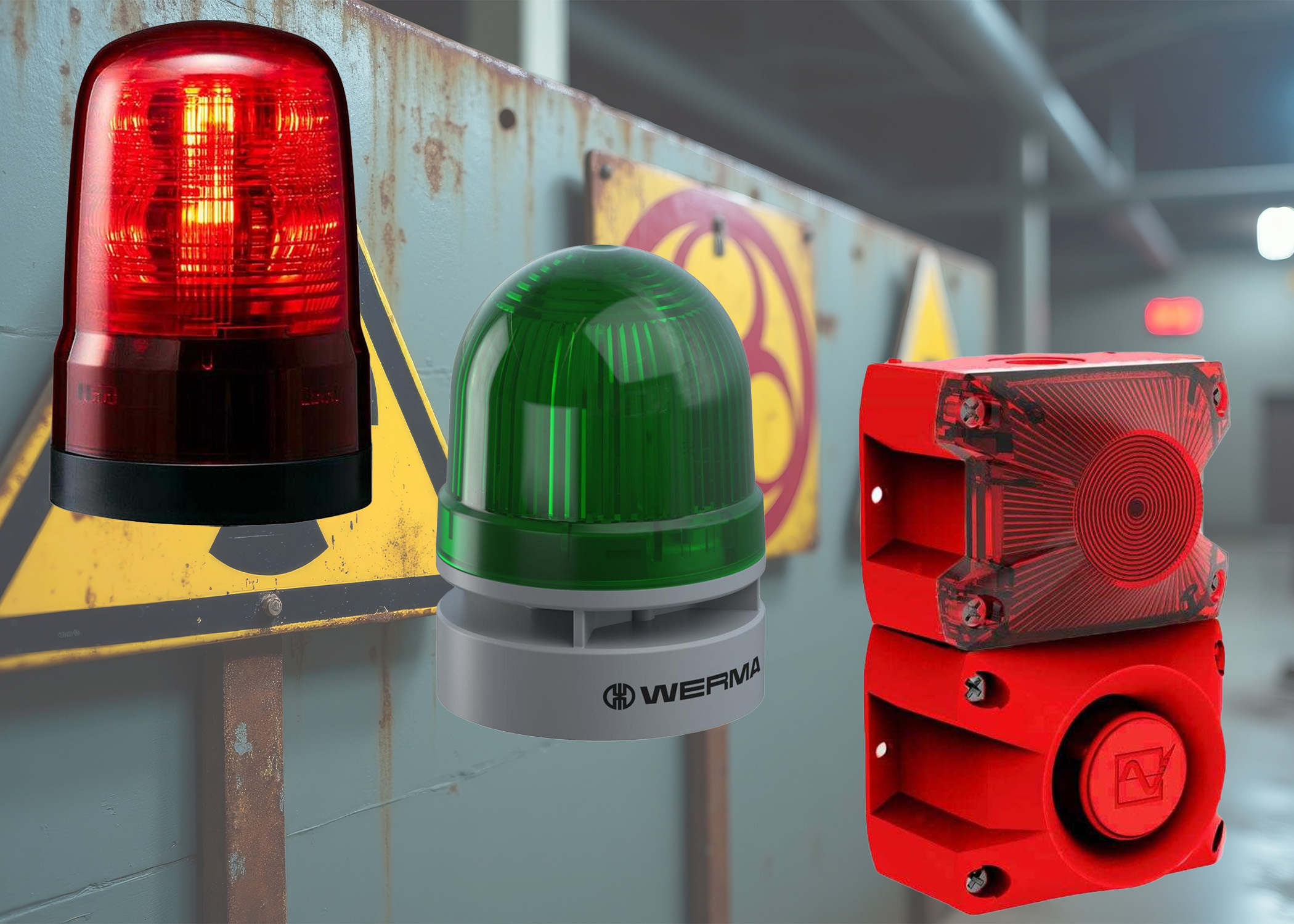
Common Strobe Applications:
- Emergency vehicles - police, fire, ambulance
- Hazardous area warnings - chemical plants, restricted zones
- Heavy machinery alerts - cranes, forklifts, industrial equipment
- Security systems - intrusion detection, alarm systems
- Aviation and marine navigation - aircraft anti-collision systems
Understanding the distinctions between beacons, strobes, and general warning lights helps with better decision-making for safety and operational efficiency. Whether you need the continuous visibility of a beacon, the high-intensity alerting of a xenon strobe, or the comprehensive status indication of a LED system, selecting the right technology ensures optimal performance and regulatory compliance.